
Smart Self-Defense Starts Here
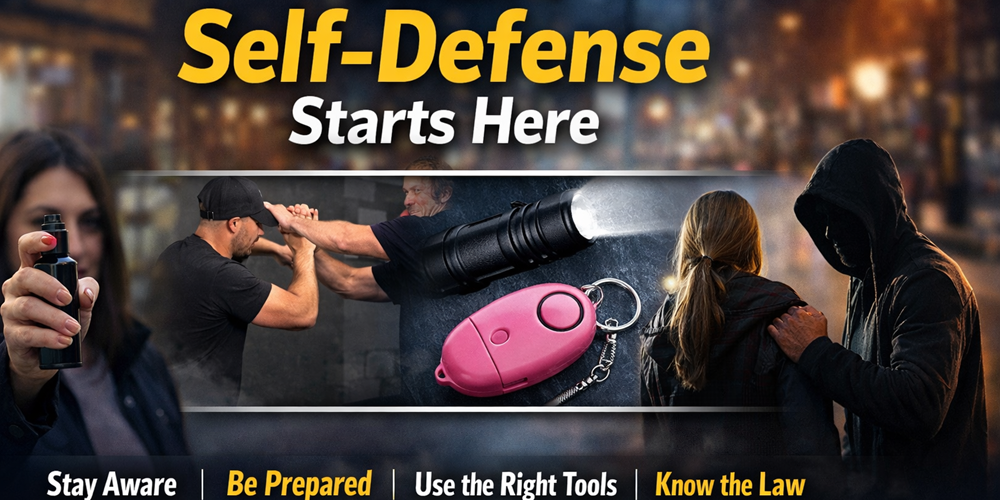
In today’s unpredictable world, personal safety is no longer optional—it’s essential. Whether you’re walking to your car at night, traveling, or simply going about your daily routine, understanding self-defense can make all the difference.
But real self-defense isn’t just about carrying a weapon—it’s about awareness, preparation, and making smart decisions before danger even begins.
1. Awareness Is Your First Line of Defense
The most effective way to protect yourself is to avoid danger altogether. Staying alert to your surroundings helps you recognize threats early and react quickly. Simple habits like keeping your head up, avoiding distractions like your phone, and trusting your instincts can prevent many dangerous situations.
Situational awareness allows you to assess risks and maintain a safe distance from potential threats—one of the most important principles in real-world encounters.
2. Confidence Can Deter Attackers
Criminals often look for easy targets. Walking with confidence, maintaining good posture, and appearing aware can discourage someone from approaching you in the first place. Confidence doesn’t mean aggression—it means control.
3. Non-Lethal Tools Are a Smart Choice
Many people prefer non-lethal self-defense options such as pepper spray, personal alarms, or tactical flashlights. These tools are designed to give you time to escape—not to engage in a prolonged confrontation.
They are widely used because they’re effective, accessible, and often legal without permits in many areas.
4. Understand the Law
Knowing how to defend yourself physically is only part of the equation—you also need to understand the legal side of self-defense.
In the U.S., laws such as Stand Your Ground allow individuals to defend themselves without retreating in certain situations, while the Castle Doctrine provides protection when defending one’s home.
However, one key concept applies everywhere: reasonable force. You must use only the level of force necessary to stop a threat. Using excessive force can lead to legal consequences, even if you were initially the victim.
5. Training Matters More Than Tools
Owning a self-defense tool without proper training can create a false sense of security. Whether it’s learning how to use pepper spray effectively or practicing basic escape techniques, preparation is key.
Training builds:
- Muscle memory
- Faster reaction times
- Better decision-making under stress
Even simple techniques—like breaking free from a grab or creating distance—can be life-saving.
6. Your Goal Is Escape, Not Fight
The ultimate purpose of self-defense is to get away safely. Engaging in a fight should always be a last resort. If you can escape, you should.
Real self-defense is about:
- Avoiding confrontation
- Creating opportunity
- Getting to safety quickly
Final Thoughts
Self-defense isn’t about fear—it’s about empowerment. When you combine awareness, the right tools, proper training, and legal knowledge, you dramatically increase your ability to protect yourself and your loved ones.
Your safety starts with preparation—and the best time to prepare is now.